The Psychology of Fonts
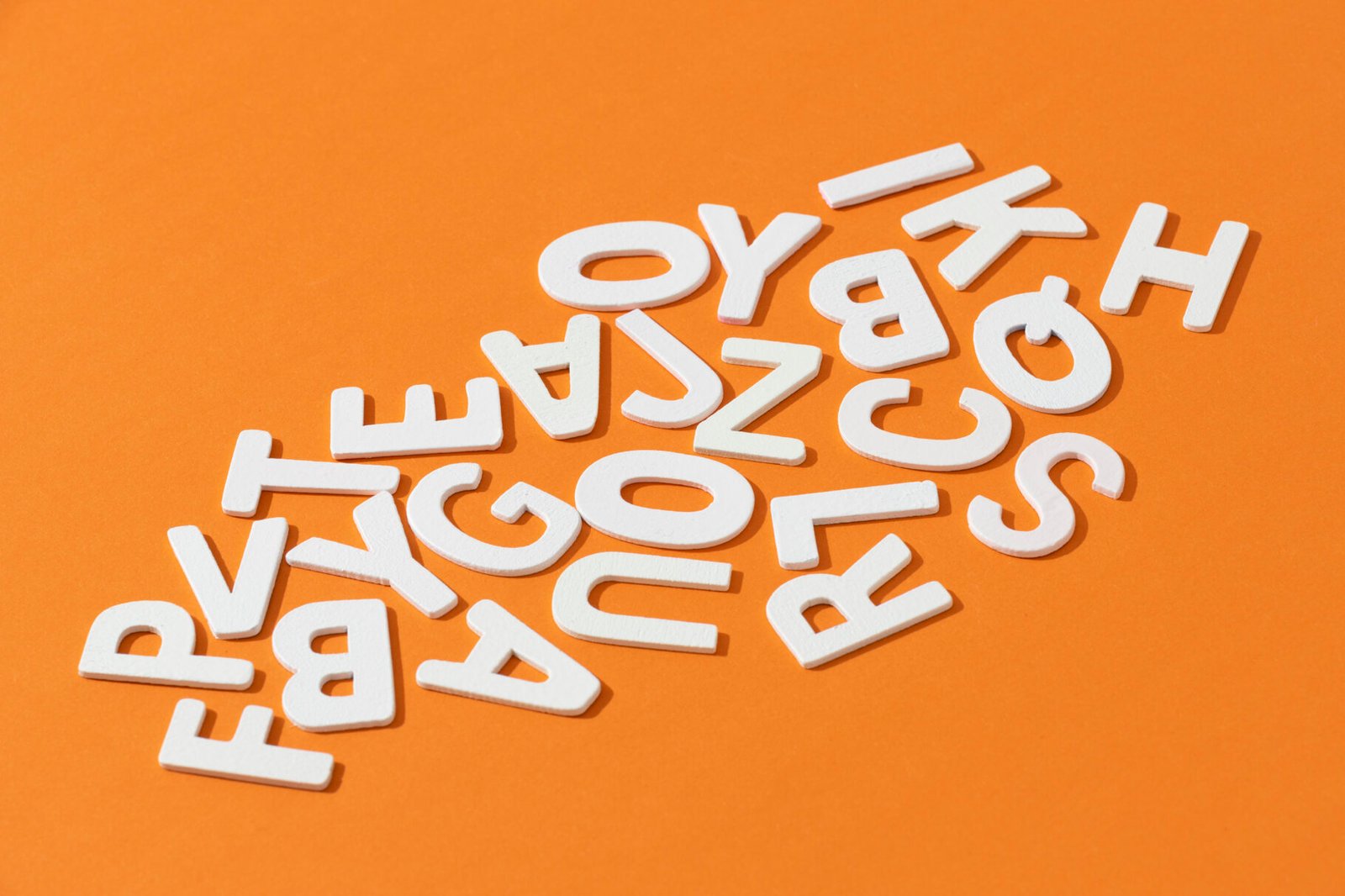
Have you ever noticed how a simple change in font can completely alter the mood of a message? That’s the psychology of fonts at work. Different font styles evoke different feelings and associations.
Serif Fonts: With their small decorative strokes, these fonts (like Times New Roman and Georgia) are often associated with tradition, authority, and reliability. They’re commonly used for formal documents, books, and academic papers.
Sans-Serif Fonts: Lacking the serifs, these fonts (like Arial and Helvetica) are seen as modern, clean, and straightforward. They’re very popular for digital screens, corporate branding, and minimalist designs.
Script Fonts: These fonts mimic handwriting and often convey elegance, creativity, or a personal touch. Use them sparingly for accents, invitations, or logos where a warm, human feel is desired.
Display Fonts: These unique, stylized fonts are meant to grab attention. They’re perfect for headlines, posters, and logos but are generally not suitable for body text due to their low readability at small sizes.
By understanding what each font style communicates, you can make more intentional design choices.